Daily Rhythms
Rest periods allow the body to pause between activities. Many people notice a connection between sleep and how they feel during waking hours.
Learn how rest and daily routines may relate to how you feel throughout the day. Our articles explore sleep habits, recovery, and balanced living from a Finnish perspective.
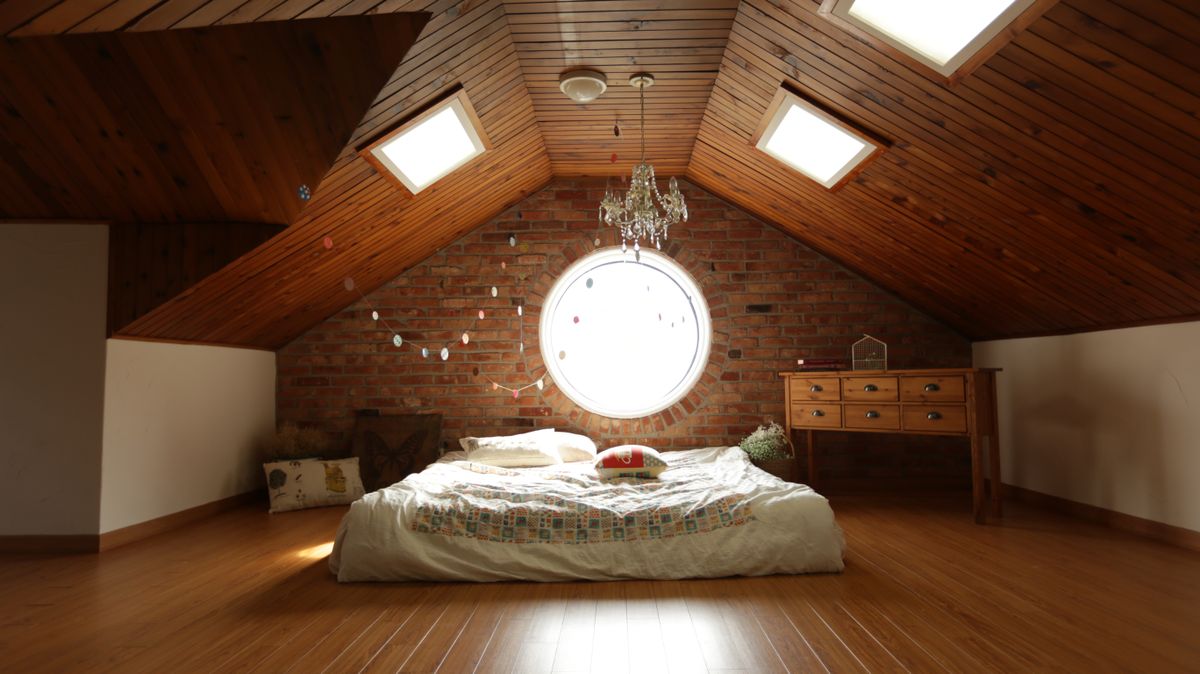
Sleep is one factor in how people experience their daily routines. Learning about rest habits may help you explore approaches that fit your own schedule and preferences.
Rest periods allow the body to pause between activities. Many people notice a connection between sleep and how they feel during waking hours.
Sufficient rest is often discussed alongside concentration and everyday task management, though individual experiences differ widely.
Aligning rest with natural daylight patterns reflects a Finnish cultural emphasis on balance between activity and quiet time.
Sleep unfolds in stages that researchers often describe as light sleep, deep sleep, and REM. Each stage plays a role in the rest experience, though outcomes vary from person to person.
A transitional stage between wakefulness and deeper rest, often making up a large share of total sleep time.
Often associated with the most physically restful portion of the night, though how refreshed you feel depends on many factors.
Linked to dreaming and mental processing, typically occurring in longer segments toward morning.
Dimming lights and reducing stimulation may help signal that rest is approaching.
Early cycles often include longer periods of deeper rest during the first few hours of the night.
Exposure to daylight is commonly discussed as a way to support the body internal clock.
Consistent evening and morning routines are often discussed in connection with sleep quality. These general reference points are not personal recommendations.
Bedroom conditions are one factor people consider when thinking about sleep. These ideas are general observations, not individualized guidance.
A cooler, darker room may resemble natural nighttime conditions that some people find conducive to rest.
Reducing noise or using gentle background sounds is a personal preference many explore for a calmer bedroom.
Natural fabrics and supportive pillows can contribute to a cozy space, though comfort is subjective.
Morning routines are a personal choice. Some people find that gentle habits help them transition from rest to daily activity.
Opening curtains or stepping outside may help mark the start of the day for some individuals.
Drinking water after waking is a simple habit that many include in their morning routine.
Light stretching or a short walk outdoors aligns with the Finnish appreciation for time in nature.
Rest is not idleness. It is the quiet foundation upon which a balanced day can be built.
Finland has a cultural tradition of connecting daily life with nature, seasonal changes, and quiet evening hours. These observations are informational, not prescriptive.
Adjusting routines to long summer days and dark winter months is a topic many Finnish residents discuss openly.
Time outdoors during daylight is often mentioned alongside discussions of daily rhythm and rest.
Limiting evening screen time is a habit some people explore to create calmer pre-sleep routines.
Reading, conversation, or quiet reflection are alternatives to overstimulation before bedtime.
The information provided on this website is intended for general informational and educational purposes only. It does not constitute professional medical advice and should not be considered a substitute for consultation with qualified professionals.
All content reflects general topics related to lifestyle, personal well-being, and everyday habits. Individual experiences may vary.
Before making any changes to your daily routine or lifestyle, it is recommended to consider your personal circumstances and, if necessary, seek assistance from a qualified specialist.
This website does not provide diagnosis, treatment, or personalized recommendations.
Browse our free articles and guides to learn more about sleep habits and daily routines. No products or services are sold through this website.
Get in TouchWe value your privacy. Learn how we handle your data in our Privacy Policy.